

|
Description
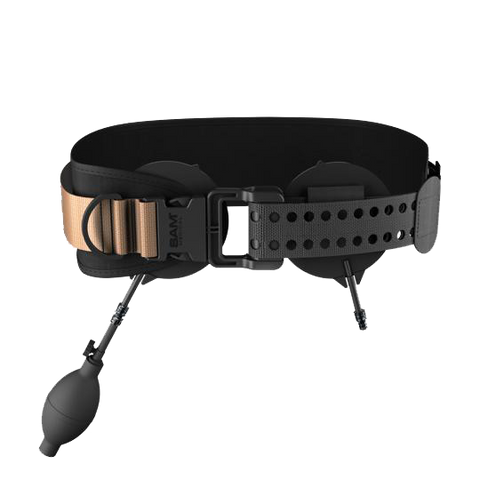
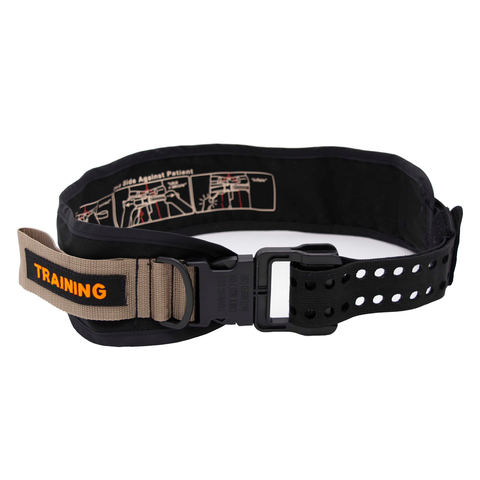
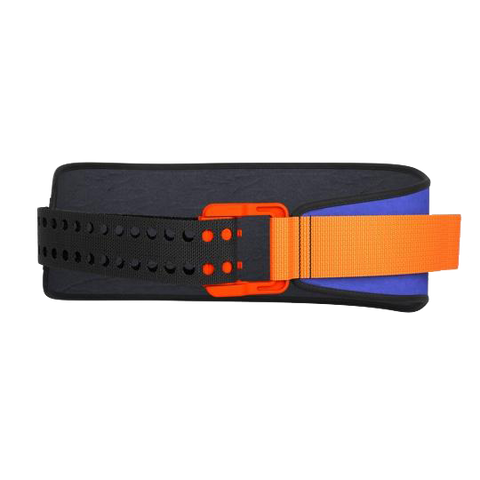
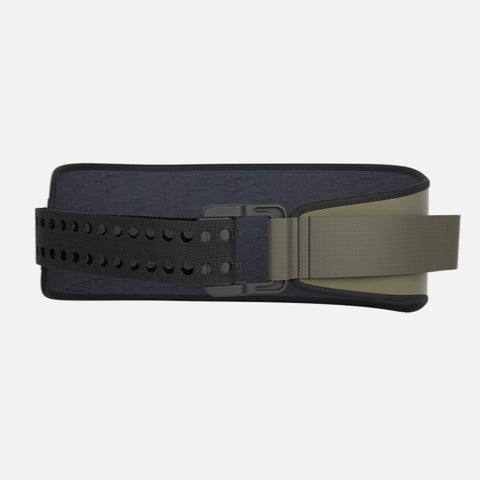
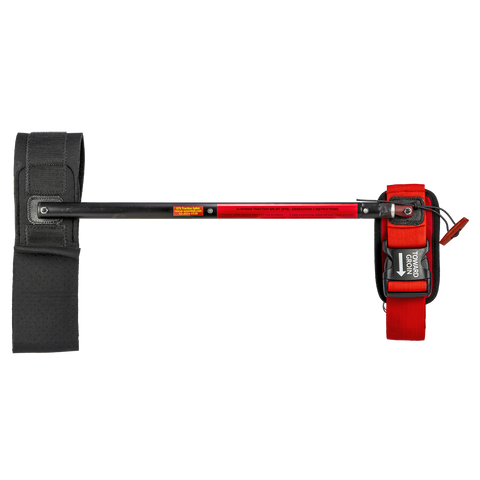
FOR STABILIZATION OF PELVIC FRACTURES WITH THE CORRECT FORCE The SAM Pelvic Sling II's patented Autostop buckle is programmed to stop your pull once the correct compression force has been obtained. This is vital in high stress environments where over-tightening by emergency medical personnel under duress could potentially be extreme and harmful. Trauma surgeons around the world recognize the importance of stabilizing pelvic fractures during the critical first "golden hour" following severe trauma. Because of the potentially devastating hemorrhage associated with such fractures, standard first aid protocol includes applying some type of circumferential binder around the victim's hips. ONE-PIECE DESIGN The sling is durable and unaffected by extremes of moisture and temperature or by exposure to hard or sharp objects. It is also radiolucent, MRI safe, and can be cleaned for re-use with common detergents or anti-microbial solutions. APPLIES IN 3 EASY STEPS IMPORTANT WARNING WHY DOES CONTROLLING CIRCUMFERENTIAL FORCE MATTER IN THE TREATMENT OF PELVIC FRACTURES? At the time of initial evaluation, the exact type of fracture is usually unknown. In some cases, too little force will not close or stabilize the fracture; in others, too much force can collapse the pelvic ring. The SAM Pelvic Sling II stands alone as the only pelvic binder pre-programmed to apply the safe and correct force for all pelvic fractures. BENEFITS AND FEATURES TECHNICAL DATA Made in USA CE Approved ISO 13485:2003 NSN# 6515-01-509-6866
VideoDocumentsLiterature: SAM Pelvic Sling II Brochure SAM Pelvic Sling II Fact Sheet SAM Pelvic Sling Marketing TextVideo: SAM Pelvic Sling II Introductory Video SAM Pelvic Sling II Transferring VideoResearch: Air Medical Journal (2009) Car Versus Bicycle: Conclusion Israeli Journal of Emergency Medicine (2006) New Concepts in the Prehospital and ED Management of Pelvic Fractures The Journal of Trauma Injury, Infection, and Critical Care (2005) Emergent Stabilization of Pelvic Ring Injuries by Controlled Circumferential Compression: A Clinical Trial The Journal of Bone and Joint Surgery (2003) Specialty Update: What's New in Orthopaedic Trauma Journal of Orthopaedic Trauma (2002) Noninvasive Reduction of Open-Book Pelvic Fractures by Circumferential Compression The Journal of Bone and Joint Surgery (2002) Emergent Management of Pelvic Ring Fractures with Use of Circumferential CompressionPress: EMS Magazine (January 2010) 2009 Top EMS Innovation Awards Vakblad V&VN Ambulancezorg (September 2009) Prehospitale behandeling van levensbedreigende Bekkenringfracturen (Dutch Magazine) JASAOS (July 2009) Management of Hemorrhage in Life-threatening Pelvic Fracture Grough (April 14, 2009) Battlefield treatment helps rescuers save climber after fall Tawarek (2009) Place et intérêt de la contention précoce du bassin chez le patient traumatisé grave (French Publication) Emergency Medicine Journal (2007) The prehospital management of pelvic fractures Prehospital and Disaster Medicine (2007) Radiological Terrorism Scenarios: Dear Editor Naval Health Research Center (2005) Marine Corps Medical Supply Requirements JATEC (2005) Diagnosis and initial management of pelvic fractures (Japanese Publication) Rettungs-Magazin (September/October 2004) Notfallpraxis: Huft-Gold (German Publication) The Fire and Emergency Medical Services News (Fall 2004) Pelvis Trauma Update Rettungsdienst (January 2004) Beckenfrakturen (German Publication) JEMS (September 2003) Introducing the Sam Pelvic Sling EMS Magazine (September 2003) The Pelvic Fracture - Stabilization in the Field Portland Business Journal (May 19, 2003) Latest News: Legacy licenses pelvic sling The Oregonian (2003) Legacy Research Pays Dividend Non-invasive pelvic stabilization device: pelvic circumferential compression device (Japanese Publication) |